
In the current digital landscape, attention is the most valuable currency a business can own. Whether you are a solo entrepreneur, a growing startup, or an established corporation, the battle for a few seconds of a viewer's time has never been more intense. We have moved away from an era of long-form reading and toward an era of rapid-fire visual storytelling. For many creators, the biggest challenge isn't coming up with ideas, but rather finding the time to turn those ideas into polished, platform-ready content. Instead of constantly trying to "reinvent the wheel," smart brands are now utilizing Content Repurposing to transform their existing long-form webinars, podcasts, and speeches into dozens of high-impact short-form clips. This strategy allows them to stay visible across TikTok, Instagram Reels, and YouTube Shorts without having to spend every waking hour in front of a camera.
The Shift in Consumer Behavior
Why has short-form video taken over the world so quickly? The answer lies in human psychology. In a world saturated with information, our brains have become highly selective. We have developed a "filter" that allows us to skip past anything that doesn't immediately provide value, entertainment, or curiosity. This is why the "hook" of a video—those first three seconds—is now the most critical component of any marketing strategy.
If you fail to capture interest in those opening moments, the rest of your message—no matter how brilliant—will never be heard. Short-form video forces creators to be concise, engaging, and direct. It removes the "fluff" and gets straight to the point. This "snackable" content is exactly what modern consumers crave during their morning commute, their lunch break, or their evening wind-down. By mastering this medium, brands can insert themselves into the daily habits of their target audience in a way that feels organic rather than intrusive.
The "Content Treadmill" Trap
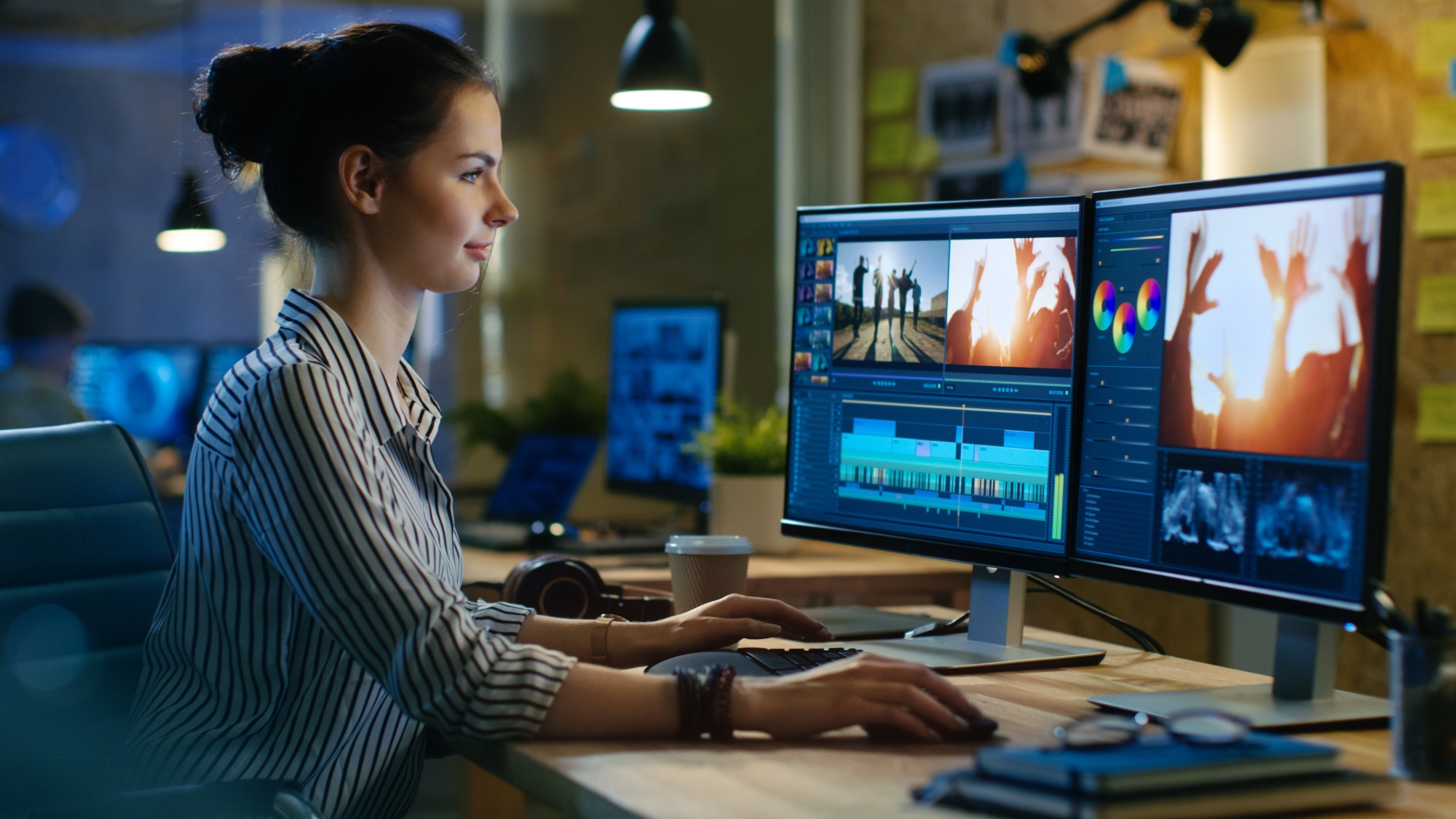
Many business owners start their video journey with a burst of inspiration. They film five or ten videos in a single afternoon and feel like they are ahead of the game. However, the reality of post-production quickly sets in. A sixty-second video that looks effortless to the viewer often requires three to five hours of meticulous editing. This includes cutting out dead air, adding dynamic captions, color grading, sound design, and sourcing B-roll footage.
When you multiply that by twenty or thirty videos a month—the volume required to truly please the social media algorithms—you are looking at a full-time job. For an entrepreneur, those hours are much better spent on product development, sales, or customer service. The "Content Treadmill" is the number one reason why talented creators quit within their first six months. They burn out because the technical barrier to entry is simply too high. This is where professional systems become essential for long-term survival.
Quality as a Digital Handshake
In the early days of social media, you could get away with a shaky phone video and poor lighting. Today, the "bar" has been raised significantly. Even "casual" content needs to look intentional. When a viewer scrolls past your video, the visual quality serves as a digital handshake. It is the first impression you make on a potential customer.
If a video is poorly edited, has muffled audio, or features text that is hard to read, the viewer subconsciously associates that lack of care with your brand’s products or services. On the other hand, a crisp, well-paced video with professional graphics signals that you are an authority in your field. High-quality editing builds trust, and trust is the foundation of every transaction. By ensuring your content looks top-tier, you are telling your audience that you value their time and attention.
The Strategy of Multi-Platform Mastery
One of the biggest mistakes brands make is treating every social media platform the same. A video that performs well on LinkedIn might completely flop on TikTok. Each platform has its own "language," its own trends, and its own audience expectations.
For example, LinkedIn viewers typically look for professional insights and industry leadership, whereas TikTok users value authenticity, humor, and "behind-the-scenes" glimpses. Professional editors understand these nuances. They know how to tweak the pacing, the music, and the visual style to match the specific platform where the video will live. This level of customization is what separates a viral brand from one that is just "noise" in the feed.
Reclaiming Your Creative Freedom
The goal of any business owner should be to work "on" the business, not "in" the business. When you are the one sitting at a computer at 2:00 AM trying to figure out why your captions aren't syncing correctly, you are working in the weeds.
By outsourcing the heavy lifting of production, you rediscover the joy of creating. You can spend your time thinking about big-picture strategies, connecting with your community, and filming the raw thoughts that matter. When you have a reliable system behind you, the pressure to be "perfect" on the first take disappears because you know your editing team will handle the refinements. This workflow turns content creation from a stressful chore into a repeatable, scalable business asset.
Building a Long-Term Legacy
Short-form video is not a fad; it is the new standard of communication. As we move deeper into the 2020s, the brands that thrive will be the ones that have mastered the art of "the micro-moment." They will be the ones that show up consistently, provide value quickly, and look professional doing it.
The digital world is moving incredibly fast, and the window of opportunity to establish your brand as a leader in your niche is wide open. However, that window won't stay open forever. To compete at the highest level, you need a partner that understands the technical demands of modern media. By investing in high-end Video Editing Services, you are not just buying a finished file; you are buying back your time, your energy, and your ability to scale your message to millions of people. Let the experts handle the pixels while you focus on the vision. The world is waiting to see what you have to say—make sure they see it in the best possible light.