
Starting a business in Hong Kong is an attractive option for entrepreneurs, international investors, and companies looking to expand into Asian markets. The city offers a business-friendly environment, a well-established legal system, modern financial services, and access to international trade opportunities. However, before starting operations, business owners must understand the legal requirements, registration procedures, and responsibilities involved in establishing a company.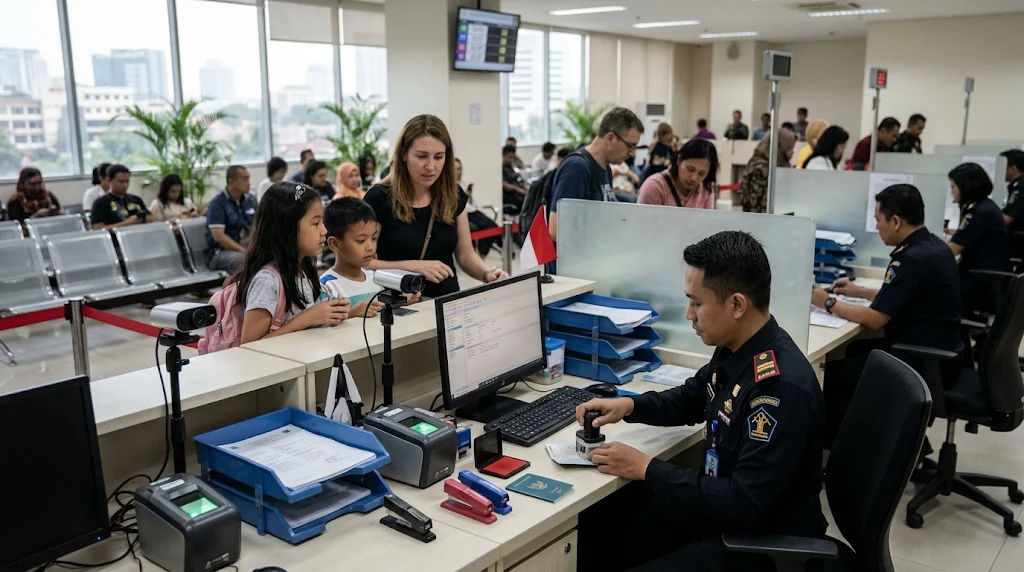
Hong Kong company formation is the process of legally registering a business as a separate corporate entity under Hong Kong law. It involves selecting an appropriate company name, preparing incorporation documents, appointing directors and shareholders, providing a registered office address, and submitting the required information to the Companies Registry. Once approved, the business receives official incorporation documentation and can begin preparing for commercial operations.
Understanding each stage makes the process easier and helps entrepreneurs avoid unnecessary delays. Whether someone plans to establish a small consultancy, an international trading business, or a growing technology company, knowing how the registration system works is essential. This guide explains the complete process, important legal requirements, costs, tax considerations, and responsibilities that come with operating a Hong Kong limited company.
Hong Kong Limited Company
A limited company is a business structure that operates as a separate legal entity from its owners. This means the company can enter contracts, own property, open business accounts, employ staff, and conduct commercial activities in its own name.
Hong Kong offers several business structures, but a private company limited by shares is one of the most popular choices for entrepreneurs. It provides a formal ownership structure while generally limiting shareholders' financial responsibility to the amount unpaid on their shares.
What Makes a Limited Company Different?
The most important feature of a limited company is the separation between the business and its shareholders. If the company experiences financial difficulties, shareholders are generally not personally responsible for all its debts simply because they own shares.
However, limited liability does not protect individuals from every possible legal responsibility. Personal guarantees, fraudulent activities, certain statutory breaches, and other circumstances can create personal liability.
A limited company also has a continuing legal identity. Changes in shareholders or directors do not automatically end its existence. The company can continue operating as long as it meets its legal obligations.
Why Entrepreneurs Choose Hong Kong
Hong Kong has several characteristics that make it attractive for international business owners.
-
International business environment: Companies can connect with suppliers, customers, and commercial partners worldwide.
-
Established legal system: Businesses operate under a recognized framework of company and commercial laws.
-
Simple corporate tax structure: Hong Kong generally uses a territorial profits tax system.
-
Financial infrastructure: The city offers access to established banking and professional financial services.
-
International trade opportunities: Its location supports commercial relationships across mainland China and other Asian markets.
These advantages make Hong Kong an appealing location for businesses seeking international growth.
Main Requirements for Registering a Hong Kong Limited Company
Before beginning the registration process, entrepreneurs should understand the basic requirements. Preparing the necessary information in advance can make incorporation more efficient.
Choosing a Company Name
The first step is selecting a suitable company name. The proposed name must comply with Hong Kong's naming requirements and should not create confusion with an existing registered company.
A company name can generally be written in English, traditional Chinese, or both. An English company name must end with the words "Limited," while a Chinese company name must end with the appropriate Chinese equivalent.
Business owners should check name availability before submitting their application. A name may be rejected if it is identical or too similar to an existing registered name or contains restricted expressions without the necessary approval.
It is also important to check trademarks and commercial branding separately. Approval of a company name does not automatically provide trademark protection.
Appointing at Least One Director
A Hong Kong private company limited by shares must have at least one natural-person director. The director must meet the relevant legal requirements.
There is no general requirement for the director to be a Hong Kong resident. Therefore, foreign entrepreneurs can establish and manage companies without necessarily living in Hong Kong.
Directors are responsible for overseeing company activities and ensuring that the business follows applicable laws. Their responsibilities include maintaining proper records, making appropriate decisions, and fulfilling statutory obligations.
Selecting Shareholders
A private company limited by shares must have at least one shareholder. The shareholder can be an individual or a corporate entity, subject to applicable requirements.
Shareholders are the owners of the company. Their ownership percentage depends on the number and class of shares they hold.
For example, if one person owns all the issued shares, that individual is the sole shareholder. If three people invest in the business, their ownership can be divided according to their agreed contributions and share allocation.
A private company limited by shares generally cannot have more than 50 shareholders, excluding certain employees and former employees who are treated differently under the relevant legislation.
Providing a Hong Kong Registered Office Address
Every Hong Kong company must maintain a registered office address within Hong Kong.
This address serves as the official location for receiving government correspondence and statutory notices. It must be a valid physical address rather than simply an overseas mailing address or a post office box.
Business owners who do not have their own premises can consider professional corporate service providers offering registered office facilities.
Appointing a Company Secretary
A Hong Kong company must appoint a company secretary.
If the secretary is an individual, that person must ordinarily reside in Hong Kong. If the secretary is a corporate entity, it must satisfy the applicable requirements for operating as a company secretary.
The company secretary helps maintain statutory records, organize company meetings, prepare required filings, and monitor important compliance deadlines.
The director and company secretary perform different functions, even though both contribute to proper corporate administration.
Step-by-Step Hong Kong Company Formation Process
Hong Kong company formation follows a structured process. Each stage has a specific purpose, and completing the steps correctly helps prevent application problems.
Step 1: Decide on the Business Structure
Before submitting an application, entrepreneurs should decide which company structure best suits their business objectives.
For many small and medium-sized businesses, a private company limited by shares is suitable because it offers limited liability and a flexible ownership arrangement.
Business owners should consider the number of shareholders, expected investment, management structure, and future expansion plans.
They should also decide whether the company will operate independently or form part of a larger international business group.
Step 2: Conduct a Company Name Search
After selecting the structure, the next step is checking the proposed company name.
Entrepreneurs should search the Companies Registry's company name records to determine whether the preferred name is available.
It is sensible to prepare alternative names in case the first choice cannot be accepted.
The selected name should also reflect the company's business identity. A clear and professional name can make communication with customers, suppliers, and financial institutions easier.
Step 3: Prepare the Incorporation Documents
The next stage involves preparing the required incorporation documents.
The main document is the Incorporation Form, commonly known as Form NNC1 for a company limited by shares.
The application generally includes information about:
-
The proposed company name.
-
The registered office address.
-
Details of the first directors.
-
Information about the company secretary.
-
Initial shareholders and shareholdings.
-
Share capital and share structure.
-
The company's articles of association.
The articles of association describe the internal rules governing the company. They cover matters such as share transfers, directors' powers, shareholder rights, and decision-making procedures.
Entrepreneurs should review these documents carefully before submission because incorrect or inconsistent information can delay registration.
Step 4: Submit the Application
Once the documents are ready, the application can be submitted to the Hong Kong Companies Registry.
Eligible applicants can generally use the electronic incorporation service, while paper applications are also available under the relevant procedures.
The application must include the prescribed incorporation information and the required government fees.
During processing, the Companies Registry reviews the submitted information to determine whether the proposed company satisfies the legal incorporation requirements.
If the application is accepted, the company receives its Certificate of Incorporation.
Step 5: Complete Business Registration
Company incorporation and business registration are related but separate legal requirements.
The Companies Registry handles incorporation, while the Inland Revenue Department is responsible for business registration.
Applications for a Hong Kong company commonly involve the associated business registration arrangements through the relevant incorporation process.
The Business Registration Certificate provides evidence that the business has completed its registration requirements.
Companies must pay the applicable business registration fees and levy according to the current government schedule.
Step 6: Receive the Official Certificates
After successful registration, the company receives its official incorporation documentation.
The Certificate of Incorporation confirms that the company legally exists as a corporate entity.
The Business Registration Certificate confirms its business registration status.
These documents are important for administrative and commercial activities, including dealing with financial institutions, professional service providers, suppliers, and potential business partners.
Step 7: Establish Business Operations
Once the company is incorporated, the owners can begin preparing for normal business activities.
This may include arranging a corporate bank account, developing accounting procedures, preparing customer contracts, hiring employees, and setting up internal management systems.
Some activities may require additional licenses, approvals, or registrations. For example, regulated financial activities, education services, and certain professional services may have specific authorization requirements.
Company registration alone does not give a business permission to conduct every type of commercial activity.
How Long Does Company Formation Take?
The time required depends on the application method, the accuracy of the submitted information, and whether additional checks are necessary.
Electronic applications can often be processed more quickly than paper applications. Straightforward applications may receive approval within a short period, sometimes within one working day.
However, this should not be treated as a guaranteed timeline. Applications involving complicated ownership arrangements, incomplete information, or additional verification may take longer.
Entrepreneurs should also distinguish between incorporation time and the time needed to become fully operational.
Opening a corporate bank account, obtaining business licenses, arranging accounting services, and establishing supplier relationships can take additional time.
Planning these activities early can help reduce unnecessary delays.
Understanding the Costs of Hong Kong Company Formation
The cost of establishing a Hong Kong company depends on government charges and the additional services selected by the business owner.
Government Registration Fees
The Companies Registry charges an incorporation fee based on the application method and applicable government schedule.
The Inland Revenue Department also charges business registration fees and a levy.
These charges can change, so entrepreneurs should check the current official fee schedule before submitting their applications.
Professional Service Fees
Many business owners use accountants, corporate secretarial firms, or company formation providers.
These professionals may help with:
-
Preparing incorporation documents.
-
Checking company name availability.
-
Arranging a registered office address.
-
Providing company secretary services.
-
Maintaining statutory registers.
-
Preparing annual filings.
-
Offering accounting and tax support.
Professional fees depend on the provider and the services included in the package.
Some providers offer basic incorporation packages, while others provide ongoing corporate administration.
Ongoing Operating Expenses
Registration is only the beginning of the company's financial responsibilities.
Business owners should budget for annual compliance services, accounting, auditing, tax preparation, business registration renewal, office expenses, and other operational costs.
Preparing a realistic budget helps prevent financial pressure after incorporation.
Tax Responsibilities of a Hong Kong Limited Company
Tax planning is an important part of operating a company in Hong Kong.
The city generally follows a territorial profits tax system. This means profits arising in or derived from Hong Kong from a trade, profession, or business may be subject to profits tax.
Understanding the Two-Tiered Profits Tax System
Hong Kong operates a two-tiered profits tax system for eligible businesses.
For corporations, the first HK$2 million of assessable profits is generally taxed at 8.25%. Profits above that amount are generally taxed at 16.5%.
However, the two-tiered arrangement is subject to eligibility conditions. For example, only one entity within a connected group can generally benefit from the reduced rate in a given year of assessment.
Companies should assess their circumstances carefully rather than assuming that every business automatically qualifies for the lower rate.
Territorial Tax Treatment
Hong Kong's territorial approach is an important consideration for international businesses.
However, having overseas customers or receiving payments from foreign companies does not automatically make all profits non-taxable in Hong Kong.
The source of profits is determined by examining the actual business activities and circumstances that generated them.
Companies should maintain suitable documentation to support their tax positions.
Annual Tax Filing
Companies must comply with applicable tax filing requirements.
The Inland Revenue Department may issue a Profits Tax Return requiring the company to report its financial position and taxable profits.
Businesses should maintain proper accounting records, invoices, contracts, and supporting documents.
Professional accounting assistance can help companies prepare accurate returns and meet their reporting responsibilities.
Important Compliance Requirements After Incorporation
Completing incorporation does not mean that a company can ignore its legal responsibilities.
Hong Kong companies must continue meeting statutory obligations throughout their existence.
Annual Return Filing
A private company generally needs to file an annual return with the Companies Registry within the prescribed period after each anniversary of incorporation.
The annual return contains updated information about the company, including its registered office, directors, secretary, shareholders, and share capital.
Filing an annual return is different from submitting a profits tax return. Both obligations serve separate purposes.
Maintaining Statutory Records
Companies must maintain appropriate corporate records.
These include information about directors, shareholders, share transfers, company resolutions, and other important corporate matters.
Hong Kong companies must also maintain a Significant Controllers Register, subject to applicable exemptions.
This register helps identify individuals and entities that have significant control over the company.
Accounting and Auditing
A Hong Kong company generally needs to maintain proper accounting records that explain its financial transactions.
Most companies are also required to prepare annual financial statements and arrange an audit by a qualified Hong Kong Certified Public Accountant, unless a specific exemption applies.
An audit helps assess whether the financial statements have been prepared according to the applicable reporting framework.
Maintaining accurate records throughout the year makes the annual accounting process easier.
Business Registration Renewal
Companies must also keep their business registration current.
The Business Registration Certificate is issued for the applicable registration period and must be renewed according to the relevant requirements.
Missing renewal deadlines can create unnecessary administrative and financial complications.
Can Foreign Entrepreneurs Establish a Hong Kong Limited Company?
Yes. Hong Kong allows foreign individuals and overseas businesses to establish companies, provided they satisfy the relevant legal requirements.
Foreign ownership is generally permitted, and there is no general requirement for shareholders or directors to be Hong Kong residents.
This makes the jurisdiction accessible to international entrepreneurs who want to establish a regional business presence.
However, foreign owners should understand that incorporation does not automatically provide immigration permission to live or work in Hong Kong.
Anyone planning to relocate or work physically in the city must consider the applicable immigration and employment requirements separately.
Opening a Corporate Bank Account
After incorporation, many business owners want to open a corporate bank account.
Banks usually conduct customer due diligence and review the company's business activities, ownership structure, source of funds, and expected transactions.
They may request documents such as:
-
Certificate of Incorporation.
-
Business Registration Certificate.
-
Articles of Association.
-
Identification documents for directors and beneficial owners.
-
Details of the company's business activities.
-
Supporting contracts, invoices, or business plans.
Approval depends on the bank's internal policies and compliance requirements.
Having a registered company does not guarantee that a bank will approve an account application.
Common Mistakes to Avoid During Company Formation
Although the incorporation process is relatively straightforward, entrepreneurs can make mistakes that create problems later.
Providing Incorrect Information
Incorrect names, addresses, identification details, or shareholding information can delay an application.
All documents should be checked carefully before submission.
Ignoring Ongoing Compliance
Some entrepreneurs focus entirely on obtaining their incorporation certificate and forget about annual returns, accounting, audits, and business registration renewals.
These responsibilities should be included in the company's administrative calendar from the beginning.
Choosing an Unsuitable Share Structure
Ownership arrangements should reflect the actual investment and responsibilities of each shareholder.
Unclear share allocations can create disagreements, particularly when the company starts growing or attracting additional investors.
Assuming Incorporation Guarantees Banking Approval
Company registration and banking approval are separate processes.
Entrepreneurs should prepare clear information about their business model, customers, suppliers, and expected financial activities.
Failing to Understand Tax Obligations
Businesses should not assume that operating internationally automatically removes their Hong Kong tax responsibilities.
Understanding the source of profits and maintaining proper financial documentation are essential.
Conclusion
Establishing a private limited company in Hong Kong is a structured process that offers entrepreneurs an opportunity to build a legally recognized business in an internationally connected commercial environment. From selecting a suitable company name to preparing incorporation documents, appointing directors, choosing shareholders, and obtaining official registration certificates, every stage plays an important role in creating a compliant business.
Hong Kong company formation is generally accessible to both local and international entrepreneurs. Foreign ownership is permitted, and business owners do not necessarily need to live in Hong Kong to establish a company. Nevertheless, they must satisfy the applicable requirements concerning directors, company secretaries, registered office addresses, incorporation documents, and business registration.
Understanding the financial responsibilities is equally important. Government registration fees, professional service charges, accounting expenses, auditing requirements, and annual compliance costs should all be considered when preparing a business budget. Companies must also understand the territorial profits tax system and maintain accurate financial records to meet their tax obligations.
After incorporation, maintaining the company properly becomes an ongoing responsibility. Annual returns, statutory registers, Significant Controllers Register requirements, financial statements, audits, and business registration renewals all contribute to lawful corporate operations.
Ultimately, successful Hong Kong company formation involves more than obtaining a Certificate of Incorporation. It requires careful planning, an appropriate ownership structure, accurate documentation, and a clear understanding of the responsibilities that continue after registration. Entrepreneurs who prepare properly can establish a strong corporate foundation, manage their obligations effectively, and position their businesses for sustainable growth in Hong Kong and international markets.