
A leather jacket can last for years, but durability is never guaranteed simply because a jacket is made from leather. The way it is made, the type of hide used, how it is finished, how often it is worn, and how it is maintained all affect its working life. A well-made jacket can become better with age, while a poorly constructed one may crack, stretch, or lose its shape surprisingly quickly.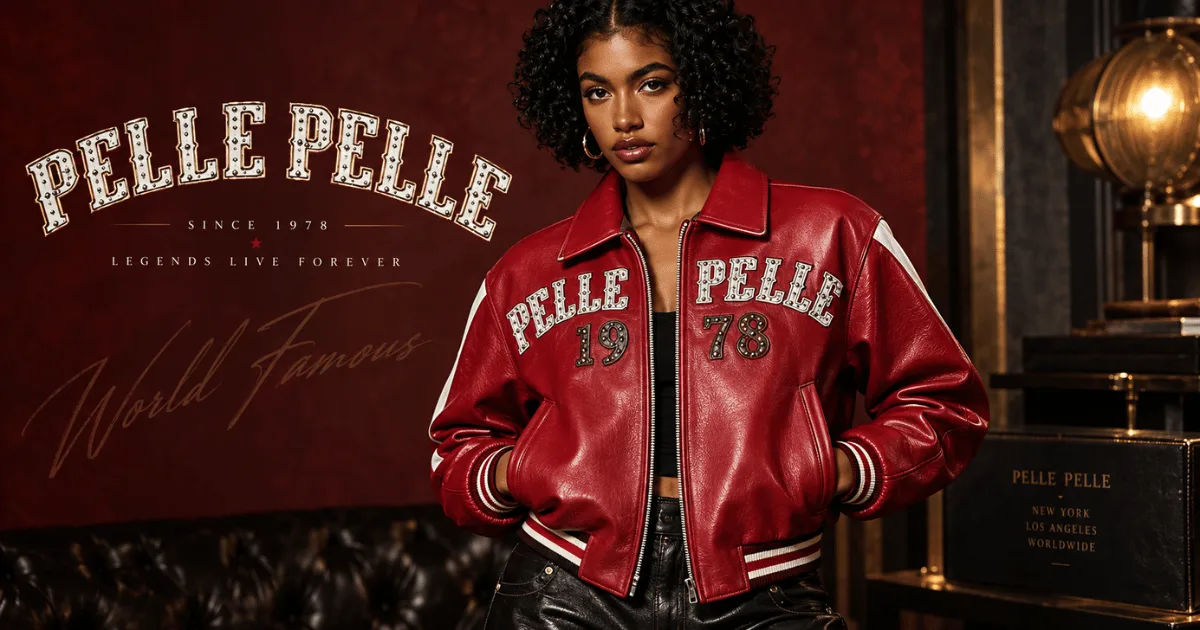
For shoppers comparing quality, Pelle Pelle Store is a useful reference point because durability should be judged as a combination of leather quality, construction, fit, and care rather than by appearance alone. A jacket that feels substantial and looks attractive may still have weak stitching or a finish that cannot handle regular wear. Understanding the factors behind durability helps you spend money on a jacket that can actually handle years of use.
Leather itself is a natural material, so its performance depends on its structure. Grain quality, thickness, tanning, finishing, and flexibility all influence how it reacts to friction, moisture, sunlight, and movement. The strongest jacket is therefore not necessarily the thickest one. It is the one where the material and construction are suited to the way the jacket will be worn.
Leather Type and Hide Quality
The first major factor is the leather itself. Full-grain leather generally retains the outer grain of the hide, which means it has a dense natural structure. It can develop character as it ages and, when properly cared for, can remain durable for a long time.
Top-grain leather is also strong, although its surface may be lightly corrected or refined. It can offer a good balance between durability, softness, and appearance. Genuine leather is a broad commercial term and does not automatically tell you how durable a jacket will be.
Corrected leather, split leather, and heavily coated materials can perform differently. A jacket may still be attractive and useful, but its resistance to cracking, abrasion, or long-term wear depends heavily on how the material was processed.
When evaluating Pelle Pelle Store, or any other retailer, do not rely only on labels such as “genuine” or “premium.” Ask what type of leather is used and consider whether its characteristics match your lifestyle.
Grain and Fiber Structure
The natural fiber structure of a hide affects strength. Dense, well-selected leather tends to resist tearing and excessive stretching better than weak or heavily damaged sections. Natural marks are not necessarily defects; scars and small variations can be evidence that the material has not been excessively covered or corrected.
Thickness Is Not Everything
Thicker leather can resist abrasion and provide a substantial feel, but excessive thickness can make a jacket stiff and uncomfortable. If the jacket is difficult to move in, owners may bend it aggressively or avoid wearing it, creating different forms of stress. Good durability combines adequate thickness with flexibility and suitable construction.
Tanning and Leather Processing
Tanning converts an animal hide into stable leather. The tanning process affects softness, resilience, moisture response, and aging behavior. Different tanning methods create different characteristics, so there is no single process that makes every jacket universally superior.
Leather also receives finishing treatments. These can improve color consistency, water resistance, texture, or surface appearance. However, a heavy surface coating can eventually wear away, especially at cuffs, elbows, shoulders, and pockets.
A durable Pelle Pelle Store jacket therefore needs a finish that suits its intended use. A fashion jacket worn occasionally has different requirements from a jacket used every day in demanding conditions.
Stitching and Construction
Even excellent leather cannot compensate for weak construction. Seams are among the areas that experience repeated tension, particularly when the wearer reaches, sits, drives, or carries a bag.
Look closely at the stitching. Consistent stitches, secure seam construction, and reinforced stress points are positive signs. Loose threads, uneven seams, or visible gaps deserve attention before purchase.
A well-designed Pelle Pelle Store jacket should be considered as a complete garment rather than simply a leather shell. Zippers, snaps, pocket openings, cuffs, and lining attachments all contribute to the jacket's useful life.
Stress Points Matter
Certain areas receive more stress than others. Armholes, shoulder seams, sleeve openings, pocket corners, and zipper bases are common trouble spots. Reinforcement in these areas can prevent a small weakness from becoming a major repair.
Zippers and Hardware
Metal zippers and quality snaps can survive years of use when properly installed. Hardware that catches, bends, or feels poorly aligned can place extra pressure on surrounding leather. A durable jacket should have hardware that operates smoothly without forcing the material around it.
Fit and Everyday Movement
Fit has a surprisingly large effect on durability. A jacket that is too tight across the shoulders or chest places constant tension on seams and leather panels. Repeated stretching can distort the garment and accelerate wear.
A Pelle Pelle Store jacket that is excessively loose can also experience unnecessary friction and folding. The best fit leaves enough room for normal movement and, when appropriate, a light layer underneath.
Before buying, raise your arms, bend your elbows, sit down, and zip the jacket. If the leather pulls aggressively at the shoulders or armholes, the fit may create long-term stress.
Weather and Moisture Exposure
Water is one of the most misunderstood factors in leather durability. Many leather jackets can tolerate limited exposure to light rain, but prolonged soaking can cause problems.
When leather becomes heavily wet, its fibers can change as the material dries. Poor drying practices can make the surface stiff or encourage cracking. Never place a wet leather jacket directly against a radiator or use intense heat to dry it quickly.
Instead, gently remove excess moisture, reshape the jacket, and allow it to dry naturally in a ventilated area. Following the care instructions supplied with a Pelle Pelle Store jacket is safer than applying an unsuitable home remedy.
Humidity and Storage
High humidity can encourage mold and unpleasant odors, while extremely dry conditions can contribute to leather becoming brittle. Storage should therefore be cool, dry, and reasonably ventilated.
A sturdy, broad hanger is preferable to a thin wire hanger because it supports the shoulders without creating sharp pressure points. Avoid crushing the jacket under heavy clothing for long periods.
Sunlight and Heat
Direct sunlight can fade leather and alter the appearance of dyes and finishes. Long-term exposure can also dry some leather surfaces.
Heat is another concern. Leather should not be stored beside heaters, radiators, hot pipes, or other strong heat sources. Sudden temperature changes can be stressful for the material.
If you regularly leave a Pelle Pelle Store jacket in a hot car, rethink the habit. A parked vehicle can become extremely hot, and repeated exposure may affect both leather and adhesives used in the garment.
Cleaning and Conditioning
Cleaning is essential, but aggressive cleaning can shorten a jacket's life. Leather should not be treated like ordinary washable fabric.
Use products specifically designed for the relevant leather type, and follow the manufacturer's instructions. Before applying any cleaner or conditioner, test it on a hidden area if the care guidance permits testing.
Conditioning can help some leather remain flexible, but more is not always better. Excessive product can make the surface greasy, darken the material, or interfere with its finish.
For a Pelle Pelle Store jacket with a specialized finish, unusual texture, embroidery, or decorative treatment, professional leather cleaning may be a better choice than experimenting with household products.
For buyers choosing Pelle Pelle Store, these material and construction details are more useful than judging a jacket by weight alone.
A Pelle Pelle Store leather jacket can age well when its leather is matched to realistic daily use.
With Pelle Pelle Store, as with any leather label, proper care remains essential after purchase.
The durability of a Pelle Pelle Store jacket ultimately depends on both manufacturing quality and owner habits.
Choosing Pelle Pelle Store with your climate and routine in mind makes long-term wear easier to manage.
Conclusion
Leather jacket durability is the result of several connected factors rather than one magic feature. Leather type and hide quality establish the material's basic strength, while tanning and finishing influence flexibility, appearance, and resistance to everyday conditions. Stitching, seams, hardware, lining, and pattern design then determine how effectively that material handles repeated movement.
Fit is equally important. A jacket that constantly pulls across the shoulders or chest will experience more stress than one that fits correctly. Weather, sunlight, heat, friction, cleaning methods, storage conditions, and frequency of wear also gradually shape the jacket's lifespan.
The best approach is to think about durability as a complete system. Start with a well-made jacket, use it according to its intended purpose, and maintain it with products and methods appropriate for its leather. Avoid unnecessary heat, prolonged moisture, harsh cleaners, and careless storage. Inspect high-stress areas regularly and repair minor problems before they become serious.
When evaluating Pelle Pelle Store or any other leather jacket source, look beyond the visual impact of the garment. Consider the leather, construction, fit, hardware, lining, and care requirements together. A jacket that works with your lifestyle and receives sensible care has a much better chance of becoming a long-term wardrobe piece.
Ultimately, leather is valued because it can age rather than simply wear out. Scratches, creases, and changes in texture can become part of its character when the underlying material and construction are strong. With informed buying decisions and consistent care, a leather jacket can remain functional, comfortable, and distinctive for many years.