
A Packing Machine plays a major role in modern production industries, from food and beverages to pharmaceuticals and consumer goods. Choosing the right Packing Machine is not just about buying equipment—it directly affects product quality, production speed, cost efficiency, and long-term business success.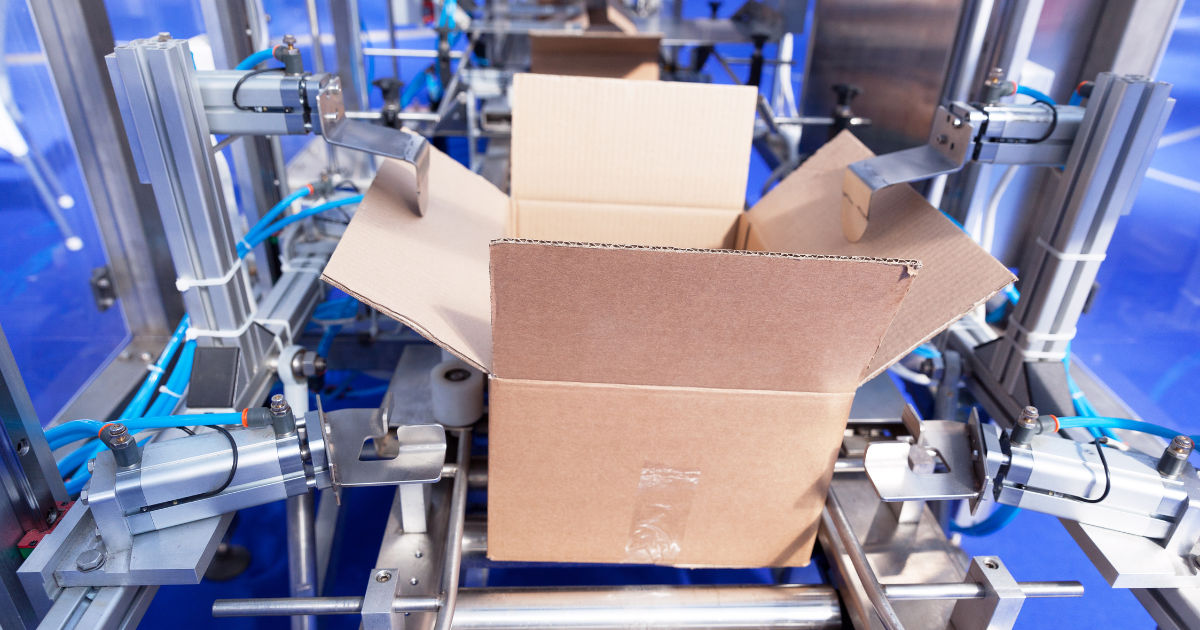
In today’s competitive market, companies depend heavily on an efficient Packing Machine to maintain consistency and meet high demand. A reliable Packing Machine ensures that every product is packed correctly, safely, and quickly. At the same time, businesses must understand which features truly matter before investing in a Packing Machine, because not all machines offer the same level of performance or value.
This guide explains the most important features you should look for in a Packing Machine, helping you make a smart and informed decision. Each section breaks down essential factors in simple language so even beginners can understand how a Packing Machine works and what makes one better than another.
Why Packing Machine Features Matter
The features of a Packing Machine determine how well it performs in real-world production. A machine may look advanced, but without the right features, it can slow down operations or increase costs.
A well-designed Packing Machine improves productivity, reduces manual labor, and ensures consistent packaging quality. On the other hand, a poor-quality Packing Machine can lead to errors, wasted materials, and frequent breakdowns.
Businesses also depend on a Packing Machine to meet hygiene standards, especially in food and medical industries. That’s why understanding features is critical before making a purchase.
Speed and Productivity
One of the most important features of any Packing Machine is its speed. Production speed directly affects how many products can be packed in a given time.
A high-speed Packing Machine helps businesses:
- Meet large orders quickly
- Reduce production delays
- Increase daily output
- Improve overall efficiency
However, speed should not reduce accuracy. A balanced Packing Machine maintains both fast operation and precise packaging.
For example, in food factories, a slow Packing Machine can delay shipments, while a fast and efficient one ensures smooth workflow and timely delivery.
Accuracy and Precision
Accuracy is another essential feature of a Packing Machine. Even a small packaging error can lead to product loss or customer dissatisfaction.
A precise Packing Machine ensures:
- Correct weight or quantity
- Proper sealing
- Consistent packaging size
- Reduced material wastage
Modern Packing Machine systems use sensors and digital controls to maintain accuracy. This is especially important in industries like pharmaceuticals, where even a minor error can have serious consequences.
A high-precision Packing Machine builds trust with customers because every product looks uniform and professional.
Automation and Smart Controls
Automation has completely changed how a Packing Machine works. Today’s machines are designed with smart controls that reduce the need for manual operation.
An automated Packing Machine offers:
- Touchscreen control panels
- Programmable settings
- Automatic error detection
- Self-adjusting functions
This reduces human error and improves efficiency. A smart Packing Machine can also store multiple settings for different products, making it easier for companies to switch between packaging types.
Automation also allows one operator to manage multiple machines, reducing labor costs and increasing productivity.
Flexibility and Packaging Options
A modern Packing Machine should be flexible enough to handle different types of products and packaging styles.
Flexibility includes:
- Different pouch sizes
- Multiple packaging materials
- Adjustable filling systems
- Compatibility with liquids, powders, and solids
A flexible Packing Machine is especially useful for businesses that produce a variety of products. Instead of buying multiple machines, one adaptable Packing Machine can handle different tasks.
This feature helps companies save money while increasing production versatility.
Hygiene and Safety Standards
Hygiene is extremely important, especially in food and pharmaceutical industries. A good Packing Machine must meet strict safety and cleanliness standards.
Key hygiene features include:
- Stainless steel body
- Easy-to-clean surfaces
- Dust and contamination protection
- Food-grade material compliance
A hygienic Packing Machine prevents contamination and ensures product safety. It also helps companies comply with international quality standards.
Safety features are equally important. A modern Packing Machine includes emergency stop buttons, protective covers, and automatic shutdown systems to prevent accidents.
Durability and Build Quality
A Packing Machine is a long-term investment, so durability matters a lot. A strong and well-built machine lasts longer and requires fewer repairs.
Durable Packing Machine features include:
- Heavy-duty metal structure
- High-quality internal components
- Resistance to wear and tear
- Stable performance under continuous use
A durable Packing Machine reduces downtime and maintenance costs. It is especially important for industries that operate 24/7 production lines.
Investing in a strong Packing Machine ensures better long-term returns.
Maintenance and Ease of Use
A user-friendly Packing Machine is easier to operate and maintain. Machines that are complicated often require skilled technicians, increasing operational costs.
Easy maintenance features include:
- Simple cleaning process
- Quick part replacement
- Clear instruction panels
- Minimal technical expertise required
A well-designed Packing Machine allows operators to perform basic maintenance without shutting down production for long periods.
This helps maintain continuous workflow and reduces downtime.
Energy Efficiency
Energy consumption is an important factor when choosing a Packing Machine. Efficient machines reduce electricity costs and support sustainable production.
An energy-efficient Packing Machine offers:
- Low power consumption
- Smart energy-saving modes
- Efficient motor systems
- Reduced heat generation
Over time, an energy-efficient Packing Machine can save a significant amount of money for businesses, especially large-scale manufacturers.
It also supports environmentally friendly production practices.
Cost and Return on Investment (ROI)
While price is important, businesses should focus on long-term value rather than just initial cost. A good Packing Machine may be expensive upfront but saves money over time.
Factors affecting ROI include:
- Production speed
- Maintenance cost
- Energy usage
- Machine lifespan
A high-quality Packing Machine reduces waste, improves productivity, and lowers labor costs. This leads to faster return on investment and better profitability.
Cheap machines may seem attractive but often result in higher long-term expenses.
Integration with Production Lines
Modern industries rely on fully automated production systems. A Packing Machine must be able to integrate smoothly with other machines.
Integration features include:
- Conveyor compatibility
- Synchronization with filling systems
- Digital communication with control systems
- Centralized monitoring
A well-integrated Packing Machine improves workflow efficiency and reduces manual intervention. It ensures that production runs smoothly from start to finish.
After-Sales Support and Spare Parts
Even the best Packing Machine requires maintenance and occasional repairs. That’s why after-sales support is an important feature.
Good support includes:
- Easy availability of spare parts
- Technical assistance
- Training for operators
- Warranty coverage
A reliable manufacturer ensures that the Packing Machine continues to perform efficiently throughout its lifespan.
Without proper support, even a high-quality machine can become difficult to maintain.
How to Choose the Right Packing Machine
Choosing the right Packing Machine depends on several factors:
- Type of product (liquid, powder, solid)
- Production volume
- Budget
- Level of automation required
- Available factory space
Businesses should carefully evaluate their needs before selecting a Packing Machine. A mismatch can lead to inefficiency and increased costs.
It is always better to compare different models and understand their features before making a final decision.
Conclusion
A Packing Machine is one of the most important investments for any production-based business. The right features can significantly improve productivity, reduce costs, and ensure consistent product quality.
From speed and accuracy to automation and durability, every feature of a Packing Machine plays a critical role in overall performance. Businesses must carefully analyze these features to choose a machine that fits their specific needs.
In the long run, a well-chosen Packing Machine not only improves efficiency but also strengthens brand reputation by delivering reliable and high-quality packaging.
Understanding these features helps businesses make smarter decisions and achieve long-term success in a competitive market.